
Muharram, the first month of the Islamic lunar calendar, holds immense importance for Muslims worldwide. This sacred month is a time of deep reflection, mourning, and remembrance, particularly for the tragic events that unfolded in the Battle of Karbala. Let’s delve into why Muharram is significant to us and how it resonates in our lives.
Historical Significance of Muharram
The Hijri Calendar and Muharram
Muharram marks the beginning of the Islamic Hijri calendar and holds historical significance for Muslims. It is the month in which Prophet Muhammad and his followers migrated from Makkah to Madinah, known as the Hijra. The Islamic calendar follows the lunar cycle, allowing for the observation of significant events based on the moon’s phases.
The Battle of Karbala
One of the central events that shape the importance of Muharram is the Battle of Karbala. It took place in the year 680 CE, during which Imam Husayn, the grandson of Prophet Muhammad, and his devoted companions faced persecution and martyrdom at the hands of the tyrant ruler Yazid. The tragic events of Karbala left an indelible mark on Islamic history and serve as a reminder of the struggle against oppression and injustice.
Religious Observances during Muharram
Fasting on Ashura
Muslims fast on the 10th day of Muharram, which is called Ashura. Fasting on this day is of great importance because it is the day of the martyrdom of Imam Hussain, the grandson of the Prophet, the liberation of the Israelites from Egypt, and the day of the deliverance of Moses from Pharaoh. It is also believed to be the day when the Prophet of Islam fasted and encouraged his followers to do the same. Fasting on Ashura is a way of giving thanks, asking for forgiveness and strengthening your faith.
Mourning and Remembrance
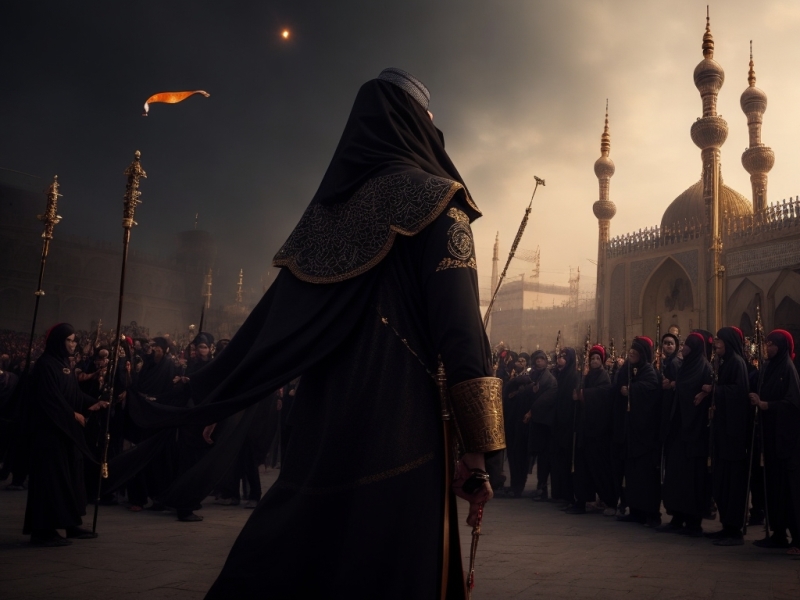
During Muharram, Muslims engage in mourning and remembrance to honor the sacrifice of Imam Husayn and his loyal companions. This period is characterized by gatherings and recitations of elegies and narratives depicting the events of Karbala. It serves as a time for believers to express their grief and empathy while reiterating their commitment to justice and truth.
Processions and Majalis
Processions and Majalis (gatherings) are organized during Muharram to remember the martyrdom of Imam Husayn. These events bring together communities, allowing them to collectively mourn and express their solidarity. Majalis often include speeches, sermons, and lectures that provide valuable insights into the lessons learned from the tragedy of Karbala.
Commemoration of Imam Husayn’s Sacrifice
Inspiring Lessons from Karbala
Imam Husayn’s sacrifice in Karbala serves as a source of inspiration for Muslims. His unwavering stance against injustice and his refusal to submit to tyranny resonates with believers across generations. The spirit of sacrifice, bravery, and unwavering faith exemplified by Imam Husayn serves as a guiding light for individuals striving to uphold principles of righteousness and truth.
Spiritual Reflection and Self-Improvement
Muharram is a time for introspection and self-improvement. Muslims engage in spiritual reflection, seeking to align their actions and intentions with the teachings of Islam. It is an opportunity to evaluate one’s character, strengthen faith, and foster personal growth. Muharram provides a platform to renew one’s commitment to ethical conduct and virtuous living.
Muharram as a Time of Unity and Community
Importance of Gathering and Support
Muharram emphasizes the significance of unity and support within the Muslim community. The commemoration of Imam Husayn’s sacrifice brings people together, fostering a sense of belonging and shared values. Muslims worldwide unite to remember and honor the principles that Imam Husayn stood for, transcending cultural and geographical boundaries.
Charity and Generosity
Muharram also encourages acts of charity and generosity. Muslims are encouraged to extend a helping hand to those in need, recognizing the importance of compassion and kindness. Donating food, clothing, or financial assistance to charitable organizations and individuals is a common practice during this month. These acts of generosity strengthen the bond within the community and exemplify the teachings of Islam.
Conclusion
Muharram holds immense significance for Muslims worldwide, serving as a time of reflection, mourning, and remembrance. It is a month that encompasses historical events, religious observances, and personal growth. The tragic events of Karbala remind believers of the eternal struggle against oppression and injustice. Muharram also emphasizes unity, community support, and acts of charity. It is a time to renew one’s commitment to righteousness, strengthen faith, and strive for personal and communal well-being.